Lukoil Sale
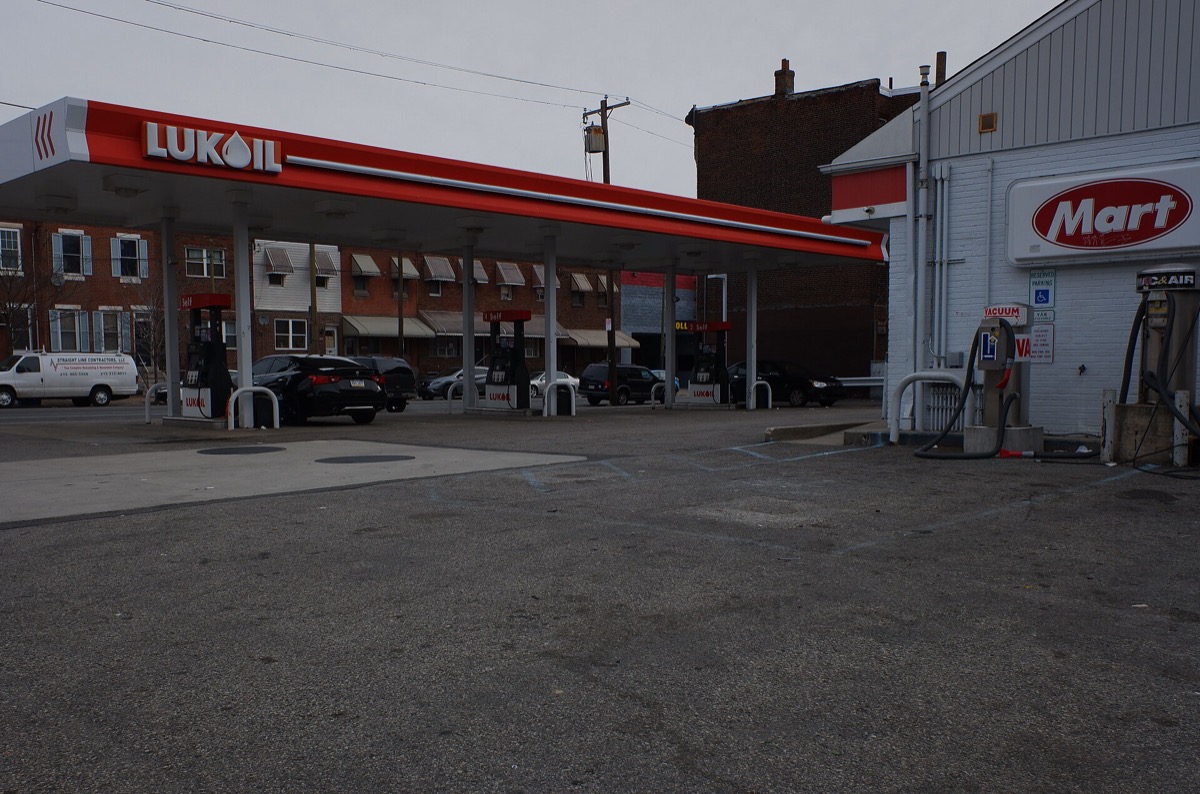

Will the U.S. license the sale of Lukoil’s foreign assets on terms its own sanctions guidance rules out? On Nov. 25 a consortium that includes a U.S. government agency, the Development Finance Corporation (DFC), agreed to buy Lukoil International, the sanctioned Russian oil company’s refineries, oil fields and gas stations outside Russia. Lukoil would be paid in its own shares, held in an account in the UAE. Treasury’s sanctions office (OFAC) must still approve the deal, and its published guidance says such a sale may not pay Lukoil “through asset or share swaps.” This page tracks that decision.
The U.S. sanctioned Lukoil in October 2025 to cut off money for Russia’s war in Ukraine, which forced it to sell its refineries, oil fields and gas stations outside Russia, including about 200 stations in the U.S. On Nov. 25 a group led by Todd Boehly, with the U.S. International Development Finance Corporation (DFC), a federal agency that invests in projects abroad, as a partner, agreed to buy them. Instead of cash, the buyers would pay Lukoil with its own stock. Sanctions left Western funds holding Lukoil shares they could no longer sell, and a bank working for the buyers bought them up cheaply, about 30 cents on the dollar, Reuters reported. Those shares, worth about $10 billion on paper, would go back to Lukoil, locked in a UAE account for five years or until sanctions end. Treasury’s guidance bars share swaps and requires any money owed to Lukoil to stay under U.S. control. Approval would mean bending that rule for a deal raised in U.S.–Russia peace talks. Rejection would send the sale back to square one. Treasury’s current license for the talks runs out Dec. 19.
What would change this rating ↓
lukoil.america2.newsWhat’s at stake
Why it matters
Sanctions only work if they cost the target something. Lukoil’s foreign business, about $16–20 billion of assets, is one of the biggest pieces of Russian business the sanctions forced onto the market. How the U.S. handles its sale shows whether the rules bind when Washington itself is a buyer, and whether money ends up flowing back to Moscow.
The deal is also tied to diplomacy over Ukraine: Putin raised it directly with Trump’s envoys Steve Witkoff and Jared Kushner in Moscow on Sept. 5, the New York Times reported.
If Treasury approves
- Refineries in Bulgaria, Romania and the Netherlands leave Russian hands; some idled capacity could restart (CSIS).
- A U.S. agency gets a share of future profits without putting in money.
- Lukoil gets back about $10 billion of its own stock, which the buyers acquired cheaply from frozen Western holders. It sits in a UAE account outside U.S. oversight, that it can reach in five years or as soon as sanctions are lifted. That gives Lukoil a stake in sanctions ending.
- Treasury would be setting aside its own published conditions for a politically connected buyer, a precedent for every other sanctioned company looking for a way out.
Why it could be blocked
- Treasury’s own guidance rules out exactly this kind of share swap, and Treasury rejected a near-identical plan in December 2025.
- Senators of both parties have objected, and Democrats take control of Congress in January.
- A 2026 sanctions law bans new U.S. investment in Russia; Sens. Shaheen and Wicker told Treasury the ban is relevant to this deal.
- Governments where the assets sit, such as Bulgaria, Romania and Iraq, may have a say over new owners.
- If talks run past the Dec. 19 license deadline without an extension, the sale starts over.
Who gains
| Who | What they get |
|---|---|
| The private buyers Boehly’s Eldridge, Xtellus, Catena | A business valued at about $16 billion (Reuters), paid for with frozen Lukoil shares a bank bought for them at about 30 cents on the dollar. By our arithmetic on Reuters’ figures, $10 billion of shares at that price would cost about $3 billion. Investors are paid back, plus an agreed return, before the U.S. government shares in profits. |
| Lukoil and Russia | About $10 billion of Lukoil stock comes back under Lukoil’s name instead of a frozen U.S. account. Lukoil can reach it in five years whatever happens, or sooner if sanctions are lifted, which gives it a reason to want sanctions lifted. Its foreign business, stuck in limbo since 2025, is resolved on terms Moscow accepted: CSIS reports Russia refused a blocked U.S. account. Putin raised the deal with Trump’s envoys during Ukraine talks. |
| The U.S. government (DFC) | A share of future profits and a board seat, without putting in money (CSIS). The administration can present the deal as pulling Russian assets out of Europe. |
| Western funds that held Lukoil shares | A way out of shares they could not sell, at about 30 cents on the dollar (Reuters). |
| Bulgaria, Romania and the Netherlands | Refineries under non-Russian owners; some idled capacity could restart (CSIS). |
Who carries the risk: the sanctions themselves. Their aim was to cut Russia off from value; here Lukoil’s value is parked, not taken away, in an account U.S. authorities cannot see into. Not disclosed: who owns Catena, each partner’s stake, what the DFC’s profit share pays, and which bank bought the shares.
Get America 2.0 in your inbox
Analysis of Russian influence, information warfare and the networks behind them. Free; unsubscribe anytime.
The players
Who decides
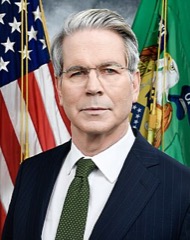 Scott BessentTreasury Secretary
His department’s sanctions office must license the sale. Treasury under Bessent turned down Gunvor’s bid in 2025, calling it the “Kremlin’s puppet,” and an Xtellus share swap.
 Bradley T. SmithDirector, OFAC (Treasury)
Signed the licenses that let the talks go on, most recently GL 131L. A license for the sale itself would come from his office.
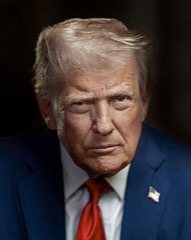 Donald TrumpPresident
U.S. sanctions powers are the President’s, delegated to Treasury. The deal is tied to his envoys’ Ukraine talks.
Who negotiated and backs the deal
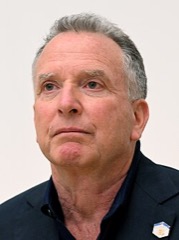 Steve WitkoffU.S. special envoy
Helped negotiate the government’s terms, the New York Times reported (via CSIS). Putin raised the sale with him in Moscow on Sept. 5.
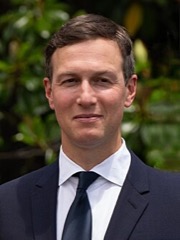 Jared KushnerTrump’s son-in-law; U.S. negotiator in the Ukraine talks
Also helped negotiate the terms and was at the Sept. 5 Moscow meeting (NYT).
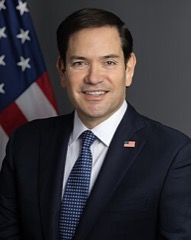 Marco RubioSecretary of State; chairs the DFC board
State backed the share swap after Treasury first said no, Reuters reported, citing one source. The officials involved were not named.
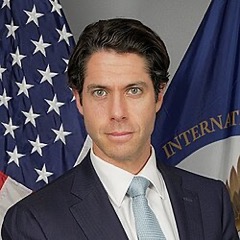 Ben BlackCEO, U.S. International Development Finance Corporation (DFC)
Runs the federal agency taking a stake in the business at no upfront cost.
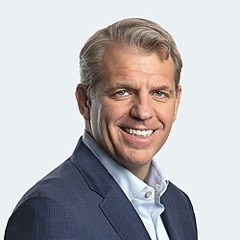 Todd BoehlyEldridge; leads the buyers
We’re basically exchanging shares that are worthless to Americans
(Reuters).
Who else could stop it
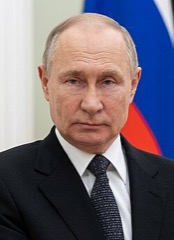 Vladimir PutinPresident of Russia
No deal goes ahead without his sign-off, CSIS notes. Lukoil says it is still talking to other buyers.
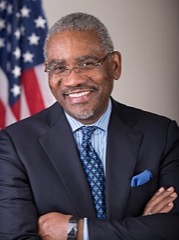 Rep. Gregory Meeks (D-N.Y.)Top Democrat, House Foreign Affairs
This Administration is circumventing that restriction
on DFC investment in Russia (Kyiv Post).
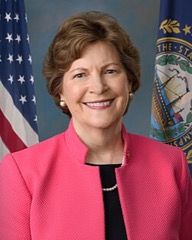 Sen. Jeanne Shaheen (D-N.H.)Top Democrat, Senate Foreign Relations
With Wicker, wrote to Rubio and Bessent that the 2026 ban on new U.S. investment in Russia bears on the deal.
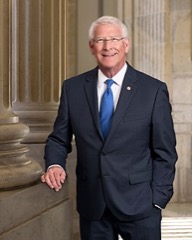 Sen. Roger Wicker (R-Miss.)Chair, Senate Armed Services
Co-signed the Oct. 6 letter with Shaheen.
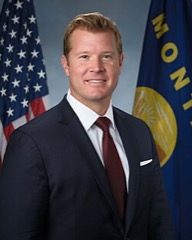 Sen. Tim Sheehy (R-Mont.)Senator
With Daines and Barrasso, warned Bessent against a “shell game” that could hand assets back to Lukoil.
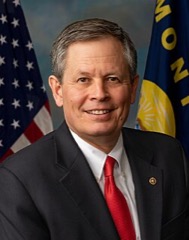 Sen. Steve Daines (R-Mont.)Senator
Co-signed the Feb. 16 “shell game” letter.
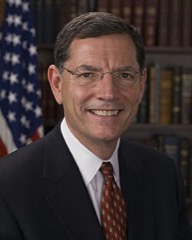 Sen. John Barrasso (R-Wyo.)Senate Majority Whip
Co-signed the Feb. 16 “shell game” letter.
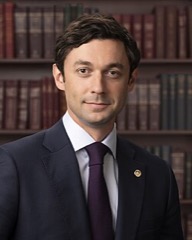 Sen. Jon Ossoff (D-Ga.)Senator
Accused Witkoff and Kushner of negotiating the sale for connected investors, at an Oct. 17 rally (Kyiv Post).
Not yet on the record: who at Treasury first rejected this deal, who at State backed it, and the DFC board’s members. Governments where the assets sit (Bulgaria, Romania, the Netherlands, Iraq, Kazakhstan) may also have a say. Photos: Wikimedia Commons (U.S. government portraits, public domain; Witkoff by U.S. Embassy Jerusalem, CC BY 2.0; Boehly by Eric van den Brulle, CC BY-SA 4.0; Putin via Kremlin.ru, CC BY 4.0). Smith: Practising Law Institute faculty photo.
The unknown partner: Catena
What we know. One of the four buyers is Catena Investment Holding. The consortium’s announcement describes it in one line, as a “UAE-based investment company focused on the energy sector.” Nobody has said who owns it, who runs it or how big its stake is. Boehly declined to disclose the partners’ stakes (Reuters). We found no trace of Catena in British company records, U.S. securities filings, U.S. sanctions lists, or U.S. lobbying and foreign-agent disclosures, and no press report names its owners. UAE company registers, where it would most likely be filed, are the next place to look.
How it got there. The Gulf investors reported earlier were well known. In September the FT named Sheikh Tahnoon bin Zayed, the UAE’s national security adviser, and the Qatari Al-Khayyat brothers as backers. In November Reuters named Abu Dhabi’s International Holding Company (IHC) and the Al-Khayyats. Both have business ties to Trump’s circle: a Tahnoon-backed firm bought 49% of the Trump family’s World Liberty Financial (WSJ, via The Block), and the Al-Khayyats are building a resort in Albania with Jared Kushner (CSIS). IHC and the Al-Khayyats left the group the week before signing (Reuters). Catena appeared in the final line-up. No public source says whether it is connected to the investors who left.
Why it matters who owns it.
- Treasury’s own test. OFAC says a sale must “completely sever” Lukoil International’s ties to Lukoil (FAQ 1224). That can’t be checked without knowing who the owners are.
- Conflicts of interest. If Catena is tied to the investors who left, the business links to Trump’s family and envoys that drew scrutiny are still in the deal under another name.
- Russian money. The UAE is a hub for middlemen moving Russian money around sanctions, as Sens. Shaheen and Wicker pointed out to Treasury (CSIS). Lukoil’s payment shares will also sit in a UAE account. Unknown owners in the same country can’t be ruled in or out.
- A U.S. agency’s business partner. The DFC, a federal agency, would co-own refineries and oil fields with Catena. The public doesn’t know who its partner is.
What would answer it: disclosure by the consortium, any DFC notice to Congress (CSIS doubts one will be filed), a UAE registry filing, or OFAC’s license review, which should require the ownership.
Latest reports
New reporting from major outlets and official sources, listed as it appears. Our monitoring adds headlines from major outlets automatically. "Checked" means our software fetched the full report and confirmed it supports its headline. "Reviewed" means an editor checked it against its source. "Auto" items have not been checked yet. Tap a label for our note. None of this is an endorsement. Our assessment is the rating above.
- U.S.-led consortium agrees to acquire assets from Russian oil company Lukoil (BNN Bloomberg)
checked ▾
Our software fetched the full report and confirmed it supports its headline. Not yet reviewed by an editor. (2026-11-27) - Halt ‘Shameful’ $10B Lukoil Deal, Top House Democrat Demands of Trump (Kyiv Post)
reviewed ▾
An editor checked this report against its source. (2026-11-27) - US billionaire, government agency ink deal to acquire sanctioned Russian oil giant Lukoil's global assets (The Kyiv Independent)
reviewed ▾
An editor checked this report against its source. (2026-11-27) - EXCLUSIVE: Billionaire Boehly signs US-backed share swap deal to buy Lukoil global assets (Reuters)
reviewed ▾
An editor checked this report against its source. (2026-11-27) - Trump Donor Boehly Strikes $10B Share Swap for Lukoil Assets (Kyiv Post)
reviewed ▾
An editor checked this report against its source. (2026-11-27) - Dodgers Owner Todd Boehly Clinches Deal for Overseas Assets of Russia’s Lukoil (WSJ)
reviewed ▾
An editor checked this report against its source. (2026-11-27) - Lukoil to Sell Foreign Assets, but Not to Kushner and Witkoff Associates (The New York Times)
reviewed ▾
An editor checked this report against its source. (2026-11-27) - Russian oil firm Lukoil’s overseas assets sold to investors led by US billionaire Todd Boehly (CNN)
reviewed ▾
An editor checked this report against its source. (2026-11-27) - Financier Todd Boehly strikes deal for Lukoil assets (Financial Times)
reviewed ▾
An editor checked this report against its source. (2026-11-27) - The U.S. Government’s Deal to Buy Lukoil’s Assets, Explained (CSIS)
reviewed ▾
An editor checked this report against its source. (2026-11-27)
What would change this assessment
The rating moves only on official action or on-the-record reporting by more than one reliable outlet. Deal statements by the buyers count as the buyers’ position, not as approval.
- not seenOFAC acts: a specific license for the sale, a new general license (after GL 131L), or a rewrite of FAQ 1224. A license moves the rating to Licensed; a refusal or revocation, to Blocked.
- not seenDec. 19 deadline: the license that lets the parties negotiate expires. A lapse without renewal would point toward Blocked; an extension keeps it Under review.
- not seenExclusivity ends: the consortium’s 60-day exclusive window (per CSIS) runs to about late January 2027.
- not seenDFC board vote or notice to Congress on the stake.
- not seenCatena’s owners named. The UAE partner’s ownership has not been disclosed.
- not seenCongress acts: a hold, a bill, a hearing, or a request to an inspector general or the GAO.
- not seenHost governments: Bulgaria, the Netherlands, Romania, Iraq or Kazakhstan objects to, or approves, the transfer of assets on its soil.
- not seenLukoil or the Kremlin states the terms, or says the deal is off.
What is actually known
- The rule. OFAC’s FAQ 1224, updated Nov. 19, says any sale must “completely sever” Lukoil International’s ties to Lukoil, block money owed to Lukoil “in an account subject to U.S. jurisdiction” until sanctions are lifted, and give Lukoil no windfall, “including through asset or share swaps.”
- The deal. No cash changes hands. After sanctions froze Lukoil shares held by Western investors, a bank working for the buyers bought them from about 10 U.S. and British funds and U.S. depositary banks at roughly 30 cents on the dollar (Reuters, Nov. 3). The buyers pay Lukoil by handing those shares back to it, about $10 billion at face value. According to Reuters and the consortium’s announcement, they go into a restricted account for five years or until sanctions lift. Reuters reports the account is in the UAE. CSIS notes this sits outside U.S. jurisdiction.
- The government’s stake. DFC takes an ownership share, about 15% per CSIS, at no upfront cost, paid from future profits. CSIS calls this unprecedented for the agency.
- The license clock. General License 131L lets the parties negotiate until Dec. 19 and keep the business running until Feb. 20, 2027. It does not authorize the sale itself. It is the 12th extension since November 2025.
- The reversal. Treasury rejected a similar share-swap proposal from the same bank in December 2025, Reuters reported. On the new deal, Reuters cites one source saying Treasury first said no and the State Department backed it.
- What is in the package. Operations in 11 countries, centred on three European refineries: Zeeland (Netherlands), Neftohim Burgas (Bulgaria) and Petrotel (Romania), per CSIS. Reported value has fallen from about $22 billion to about $16 billion (Reuters).
- Earlier bidders failed. Treasury refused Gunvor in November 2025. Carlyle’s agreement expired in July 2026 without an OFAC license, Lukoil told Austrian authorities.
Claims in circulation
What the parties say, and what the record shows.
DisputedLukoil gets no windfall: the shares are “worthless to Americans” and the escrow satisfies Treasury.
Todd Boehly, to Reuters
Status: Disputed OFAC’s own FAQ names share swaps as a windfall and requires a U.S.-jurisdiction account; the escrow is in the UAE.
DisputedThe consortium has exclusive rights to buy.
Consortium; CSIS (60 days)
Status: Disputed Lukoil told CNN it “continues negotiations with other potential purchasers.”
Who is buying
- Eldridge (Todd Boehly) leads. Boehly gave $1 million to MAGA Inc. last year, Reuters reports from FEC records.
- DFC, the U.S. Development Finance Corporation. Its board, set by law, is chaired by the Secretary of State and includes Treasury and Commerce.
- Xtellus Partners, formerly the U.S. arm of VTB Capital, the investment bank of Russia’s state-controlled VTB; it was bought out by its managers in 2018 (SEC filing; CSIS). Since May 2025, Cove Strategies, with lobbyist Matt Schlapp, has been registered to lobby the White House and Treasury for Xtellus on OFAC license applications (Senate lobbying disclosures).
- Catena Investment Holding, UAE-based. Its owners have not been disclosed (see The unknown partner).
- Abu Dhabi’s International Holding Company and the Al-Khayyat brothers left the group the week before signing, Reuters reports. Sheikh Tahnoon bin Zayed, named as a backer by the FT in September, is not among the signatories.
Background: parallels to a 2017 proposal
Why the Lukoil name may sound familiar. Lukoil came up in the investigations of Russian interference after 2016. From spring 2014 through 2015, Cambridge Analytica representatives met with Lukoil, according to the Senate Intelligence Committee’s bipartisan report (Vol. 5). Whistleblower Christopher Wylie told the Committee that Alexander Nix’s presentations to Lukoil involved “rumor and disinformation campaigns and undermining confidence in institutions.” Brittany Kaiser, who gave the Committee a February 2015 Cambridge Analytica presentation prepared for Lukoil, described a customer-loyalty project for Lukoil gas stations in Turkey and said she was told the data could also be useful for political work there. Both said no contract resulted. The Committee could not confirm that Lukoil meant to use Cambridge Analytica in elections but wrote that it “is concerned about the role Lukoil may play in effecting Russia’s efforts to interfere in foreign elections generally.” Lukoil had been under U.S. sectoral sanctions since September 2014.
The 2017 proposal. The same Senate report documents a channel that runs through several of today’s players:
- Late 2016Sheikh Tahnoon bin Zayed, the UAE’s national security adviser, introduced Kirill Dmitriev, head of Russia’s sovereign wealth fund (RDIF), to Rick Gerson, a New York hedge fund manager and friend of Jared Kushner. Dmitriev said Putin had tasked him with a plan to reconcile U.S.–Russia relations.
- Jan. 2017Dmitriev and Gerson’s five-point plan proposed, among other things, a “joint RDIF fund with OPIC to support US investment in Russia.” OPIC was the U.S. government’s overseas investment agency.
- Jan. 18, 2017Gerson handed the plan to Kushner. Kushner told the Committee he passed copies to Steve Bannon and Rex Tillerson, “and that was kind of the last of it.”
- 2019OPIC was folded into the new U.S. International Development Finance Corporation (DFC).
2026. The DFC, OPIC’s successor, is now taking a stake in the foreign business of a sanctioned Russian oil company. Kushner and Steve Witkoff helped negotiate its terms (NYT, via CSIS), and Putin raised the sale with them in Moscow in September. Tahnoon was named by the FT as an early backer of the buying group before he dropped out.
What the record does and does not show. No public record shows that today’s deal was planned in 2017. The 2017 plan was about U.S. investment flowing into Russia; this deal buys a Russian company’s assets outside Russia. What carries over is the channel: Dmitriev’s reconciliation agenda, Tahnoon as a connector, Kushner as the U.S. contact, and a U.S. development-finance agency as a partner in business with Russia. Readers can weigh the parallel for themselves.
What independent experts say
- CSIS’s Thomas Glynn Hanley: the U.S. government is “both bidder and decider”; without a U.S.-jurisdiction account Washington loses visibility over the shares, and the structure may let DFC avoid notifying Congress because no appropriated money is spent (CSIS).
What to watch next
- Dec. 19: GL 131L’s negotiation authority expires. Watch OFAC’s Recent Actions page.
- DFC board meeting notices, which are public under the Sunshine Act.
- January 2027: the exclusivity window ends, and the new Congress convenes with Democrats in control.
Timeline
- Oct. 22, 2025Treasury sanctions Lukoil and Rosneft.
- Nov. 6, 2025Treasury refuses to license Gunvor’s bid.
- Nov. 14, 2025OFAC issues GL 131, allowing sale talks.
- Dec. 15, 2025Treasury rejects an Xtellus-led share-swap bid (Reuters).
- Jan. 29, 2026Carlyle signs a non-exclusive deal; it expires in July without a license.
- Feb. 16, 2026Sens. Sheehy, Daines and Barrasso warn Treasury against a “shell game” (Fox Business).
- Sept. 5, 2026Putin raises the sale with Witkoff and Kushner in Moscow (NYT).
- Sept. 22, 2026FT reports a Boehly bid backed by DFC and Gulf investors.
- Oct. 6, 2026Sens. Shaheen and Wicker write to Rubio and Bessent.
- Nov. 19, 2026OFAC issues GL 131L and updates FAQ 1224.
- Nov. 25, 2026Consortium announces the agreement.
Key sources
- OFAC FAQ 1224 · General License 131L
- CSIS: The U.S. government’s deal to buy Lukoil’s assets, explained
- Reuters: Boehly signs U.S.-backed share-swap deal
- Consortium announcement (Business Wire, via ANTARA)
- Shaheen–Wicker letter, Oct. 6, 2026